
Bald Faced Hornet What to Know and How to Stay Safe
September 25, 2025
Spotted a basketball-sized nest hanging from a tree or tucked under the eaves of your home? It might belong to a bald faced hornet and you don’t want to get too near. Known for their aggression and throbbing stings, these wasps are one of the more scary pests homeowners face.
So, what should you do if you discover a nest nearby? Here’s what you need to know about bald faced hornets and why hornet nest removal is best left to the pros.
What Is a Bald Faced Hornet?
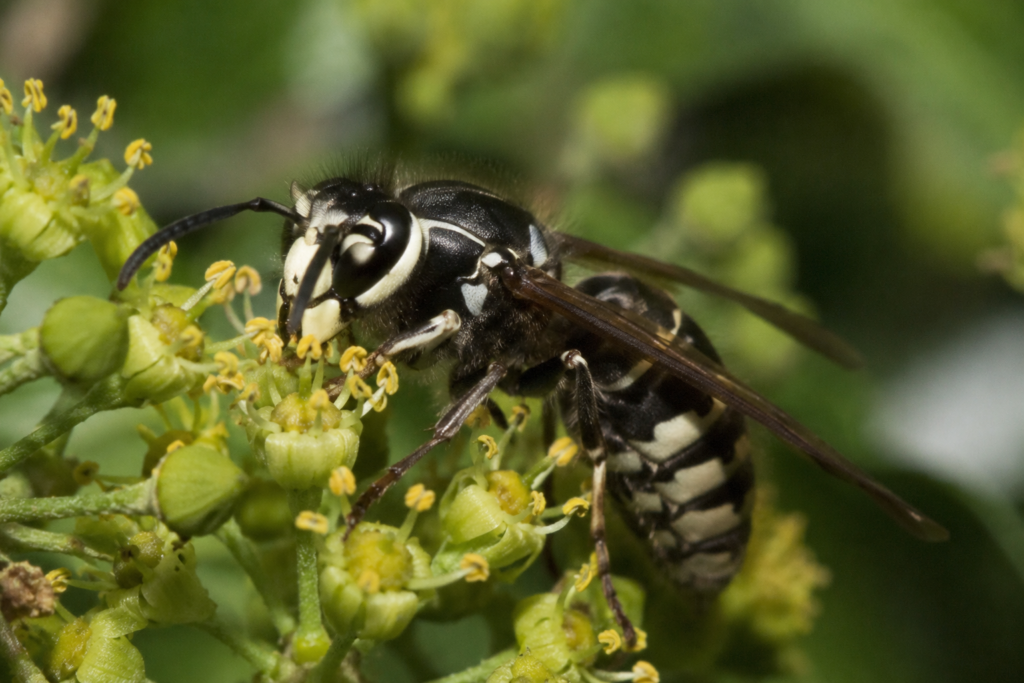
Despite their name, bald faced hornets (Dolichovespula maculata) aren’t real hornets, they’re really a type of yellowjacket. They get their name from the white patterns on their face and body, which stand out against their otherwise black appearance.
They’re naturally about ¾ inch long, and you’ll identify their large, paper-like nests hanging from trees, rooflines, or soffits. These nests can house hundreds of hornets and grow quickly during the summer.
They are extremely territorial and will protect their nest aggressively if you get too close.
Why You Should Be Concerned
Bald faced hornets don’t sting unless triggered but getting near their nest often perceived as provocation. Unlike honeybees, they can sting numerous times and will hunt threats away from their colony.
Here’s why you should take them carefully:
- Stings are painful and can cause swelling
- People with allergies are at risk of serious reactions
- Nests are often situated in hard-to-reach places, increasing removal risks
If the nest is close to a doorway, patio, or play area, it poses a daily threat.
What NOT to Do with a Hornet Nest
Attempting to remove a hornet nest on your own? Think twice. Here’s what not to do:
- Don’t hit or knock it down: This triggers an aggressive swarm
- Don’t spray at night without knowing what you’re doing: You might miss the colony or only make them more aggressive
- Don’t climb to reach it: Many nests are located high up, increasing the chance of falls and stings
Even if you succeed to kill a few hornets, it won’t eradicate the colony or avert them from coming back next season.
Why You Should Call a Pro for Hornet Nest Removal
Pest Control Professionals have the right tools, protective gear, and insecticides to take care of the job carefully and effectively.
Reaching out to an expert guarantee:
- The whole colony is removed, not just the noticeable nest
- No damage to your house or risk to your family
- Preventative treatments can be used to stop future nesting
Hornet activity peaks in late summer, so don’t delay until the nest is huge or somebody gets stung.
Frequently Asked Questions About Bald-Faced Hornets
Can bald faced hornets sting more than once?
Yes. They don’t lose their stinger and can attack in groups.
How big can their nests get?
Up to the size of a basketball or larger, housing hundreds of hornets.
Do they return to old nests?
No. They build new nests each year but often close to their previous sites.
Don’t Wait for Trouble to Fly
Bald faced hornets aren’t pests you can disregard. They’re hostile, painful, and unsafe particularly when they nest close to your home.
Book a professional hornet nest removal now and shield your home before a family member gets hurt.
Recent Posts
 "]
"]
How to Keep Ticks Out of Your House | Wisconsin Homeowners Tip
You come inside after spending time outdoors and notice a tiny tick crawling on your shirt. While it may seem like a small problem, finding…
 "]
"]
Are Mosquitoes Attracted to Light? Wisconsin Homeowners Guide
You’re enjoying a summer evening on the patio when suddenly the mosquitoes arrive. Many Wisconsin homeowners assume their porch light or outdoor lighting is attracting…
 "]
"]
Are Bald Faced Hornets Aggressive? Wisconsin Homeowners Guide
Have You Noticed Large Black-and-White Hornets Around Your Property Lately? You spot a large black-and-white insect flying near your deck, garden, or front entryway. A…