
Would you know if your hotel room had bedbugs?
March 18, 2025
Most travelers don’t. Bedbugs are expert hitchhikers, and one unlucky stay in an infested hotel can turn into a nightmare back home. These tiny pests are found in hotels, Airbnbs, airports, and even public transport—making them a growing concern for travelers.
According to the National Pest Management Association (NPMA), hotels and motels account for 68% of bedbug infestations reported by pest professionals (NPMA). That means your next trip could be riskier than you think.
So, how can you travel safely without bringing bedbugs home? Follow this expert survival guide to protect yourself from these unwelcome travel companions.
Know the bedbug hotspots before you book.
Bed bugs don’t discriminate—luxury hotels, budget motels, and vacation rentals can all be infested. Before booking:
- Check online reviews for recent bedbug complaints.
- Use websites like Bed Bug Registry to see reported infestations.
- Choose hotels with strict pest control measures like 1st Choice Pest Solutions.
The 5-Minute Bed Bug Inspection Upon Arrival
Before you unpack, do a quick but thorough inspection:
- Pull back sheets and check mattress seams, headboards, and nightstands for tiny brown spots (fecal stains) or shed skins.
- Use a flashlight to check cracks and crevices in furniture.
- Inspect luggage racks before placing your bags on them.
- If you spot any signs, request a room change far from the affected area or switch hotels.
Pro Tip: Keep your luggage on a firm surface (like the bathroom counter) while inspecting the room.
Protect your luggage and clothing.
Even if you don’t see bedbugs, always assume they could be present:
- Store luggage in sealed plastic bags or use hard-shell suitcases.
- Keep clothes in sealed Ziploc bags instead of dresser drawers.
- Use bedbug-proof luggage liners.
Post-Travel Bed Bug Prevention Steps
Once home, don’t let your guard down:
- Immediately wash all clothes in hot water (at least 120°F (ca. 49 °C)) and dry on high heat.
- Vacuum your suitcase thoroughly before storing it.
- Inspect your bedding and furniture for any new signs of bedbugs.
What You Need to Know
- Damage They Cause: Bedbug bites lead to itchy welts, allergic reactions, and insomnia.
- Where They Hide: These pests thrive in mattresses, furniture, carpets, and even electrical outlets.
- Health Risks: Though not known to spread diseases, they can cause severe skin infections from scratching and mental stress.
Final Thoughts: Travel Smart, Stay Bite-Free
A little vigilance can prevent an expensive and stressful infestation. By taking these steps, you can enjoy your travels without unwanted souvenirs (i.e., bedbugs). If you suspect a bedbug problem at home, don’t wait—contact 1st Choice Pest Solutions, the leading expert in bedbug control services.
Recent Posts
 "]
"]
How Much Does Pest Control Cost in Wisconsin? (2026 Pricing Guide)
Pest control in Wisconsin costs between $37 and $150 per month for recurring service, or $275 to $450 for a one-time treatment. Specialty jobs run…
 "]
"]
How to Get Rid of Bed Bugs in a Mattress in Wisconsin: Signs You May Have Bed Bugs in Your Home
Waking Up With Itchy Bites? Bed Bugs Could Be to Blame. Few household pest problems create more stress than discovering bed bugs. Many Wisconsin homeowners…
 "]
"]
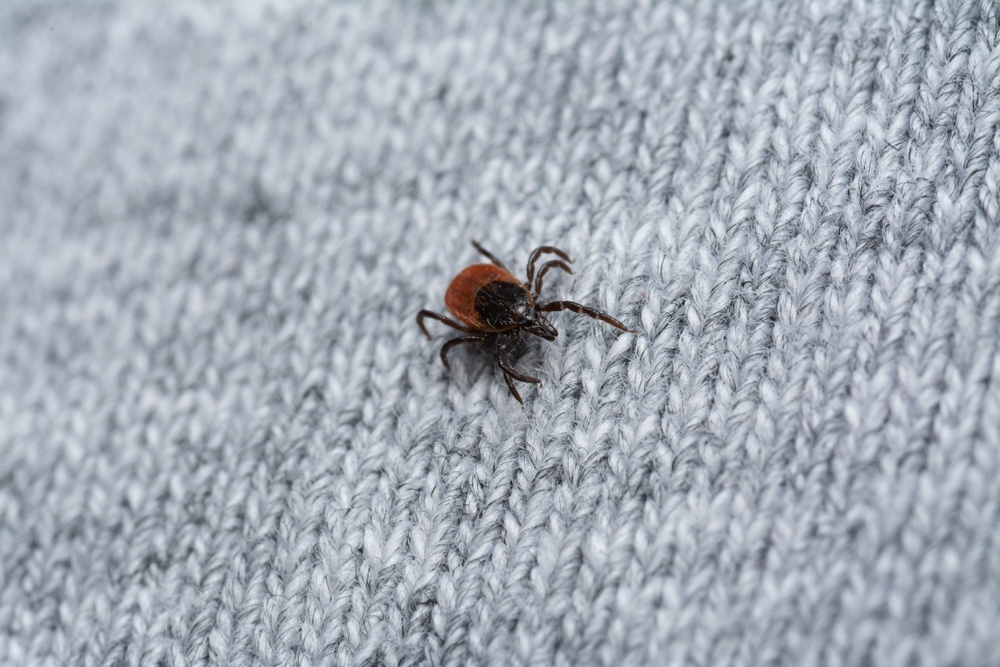
How to Keep Ticks Out of Your House | Wisconsin Homeowners Tip
You come inside after spending time outdoors and notice a tiny tick crawling on your shirt. While it may seem like a small problem, finding…