
DIY Disaster: When ‘Natural Remedies’ for Pests Actually Make Things Worse
March 24, 2025
Is your cinnamon trail attracting roaches instead of repelling them?
Natural pest remedies are all over social media—baking soda for ants, peppermint oil for spiders, vinegar for flies. Sounds great, right? Unfortunately, what seems like a harmless DIY fix can often make pest problems worse—and harder to treat professionally.
Pests, like any skilled magician, are adept at deceiving their targets. While you’re busy sprinkling garlic around your windowsills, termites might be quietly chewing through your home’s structure. DIY pest control might feel satisfying, but when it comes to real results, it often hides the real signs of pest infestation—until it’s too late.
The False Sense of Security: How DIY Backfires
Many natural remedies only offer temporary deterrents, not real solutions. For example, peppermint oil might drive away a few ants—but it won’t destroy the colony hiding inside your walls.
Worse still, these “remedies” can scatter pests to new hiding spots, making infestations harder for professionals like 1st Choice Pest Solutions to detect and treat.
“Natural doesn’t always mean effective. In fact, DIY treatments often delay the professional care needed to solve the problem,” says Mike Benton, pest management expert at National Pest News.
Why “Natural” Can Get Nasty Fast
Some ingredients, when misused, can create new problems. Mixing vinegar and baking soda, for instance, may drive roaches deeper into your home where it’s warm and damp—ideal breeding conditions.
Even worse, essential oils can be toxic to pets and children. According to the National Capital Poison Center, there were over 30,000 essential oil-related poisonings in a single year in the U.S.
When DIY delays lead to costly damage
One of the most dangerous outcomes of failed home remedies is time lost. Pests multiply quickly, and while you’re hoping a bay leaf will drive out your pantry moths, they’re laying hundreds of eggs behind your cereal boxes.
“We see more damage when homeowners try to fix it themselves first,” warns Susan Thorne, lead technician at 1st Choice Pest Solutions. “By the time they call us, it’s a full-blown infestation.”
Know Your Enemy—The Hidden Hazards of Pests
- Cockroaches can trigger asthma and carry bacteria like E. coli and Salmonella.
- Heat and food, particularly in kitchens, attics, and basements, attract rodents.
- Termites cause more than $5 billion in property damage in the U.S. every year (source: NPMA).
- Fleas and ticks spread diseases like Lyme and typhus, affecting both pets and people.
Stop guessing; start acting.
The internet is full of DIY pest hacks, but when those tricks fail, the damage can be costly—sometimes irreversible. Instead of chasing peppermint ghosts, trust trained experts in pest management who know how to find, fix, and prevent infestations properly.
Are you prepared to put an end to the uncertainty?
Recent Posts
 "]
"]
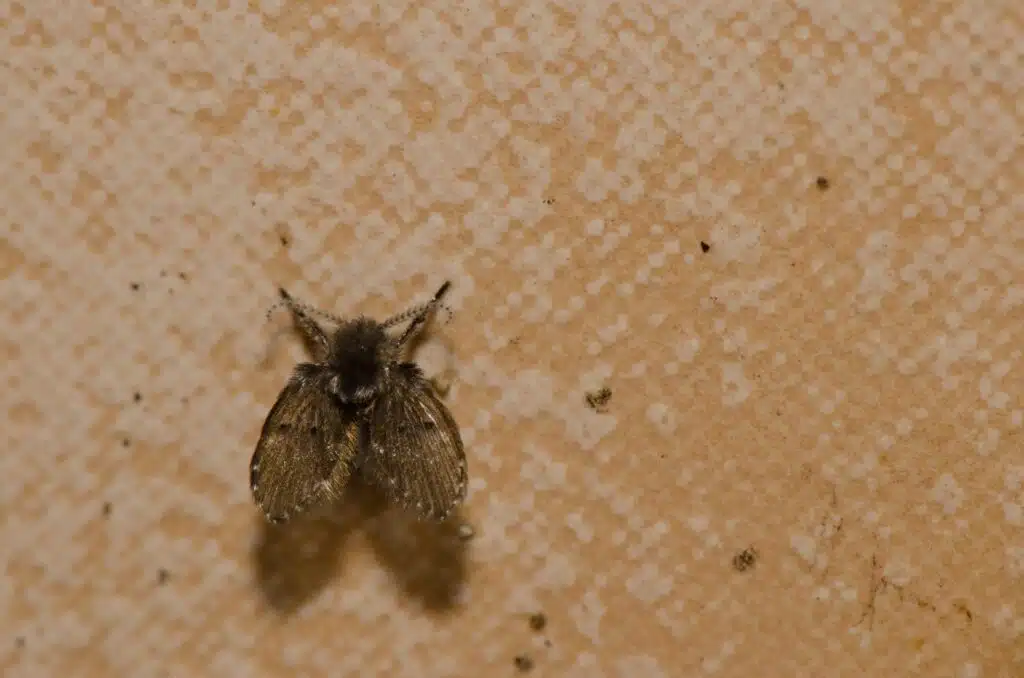
How to Control Drain Flies in Wisconsin Homes
Did you notice those tiny flies flying around your bathroom, kitchen, laundry room, or basement drain? At first, it may seem like a small…
 "]
"]
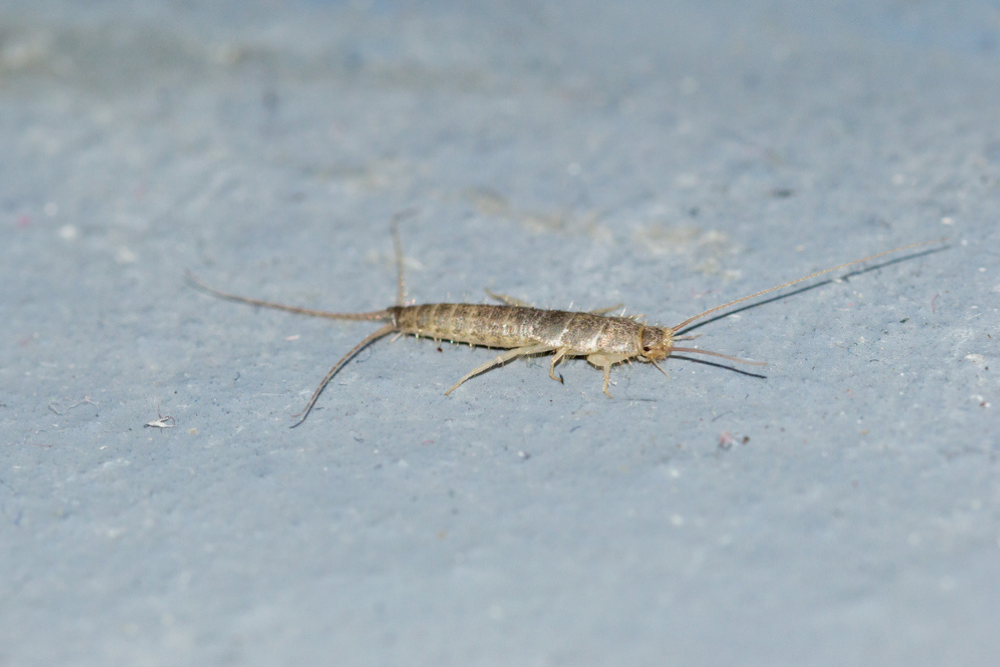
How to Get Rid of Silverfish Insects
Silverfish are easy to overlook because they hide in quiet, dark, damp areas. But for a prevention minded homeowner, spotting one is a warning sign…
 "]
"]
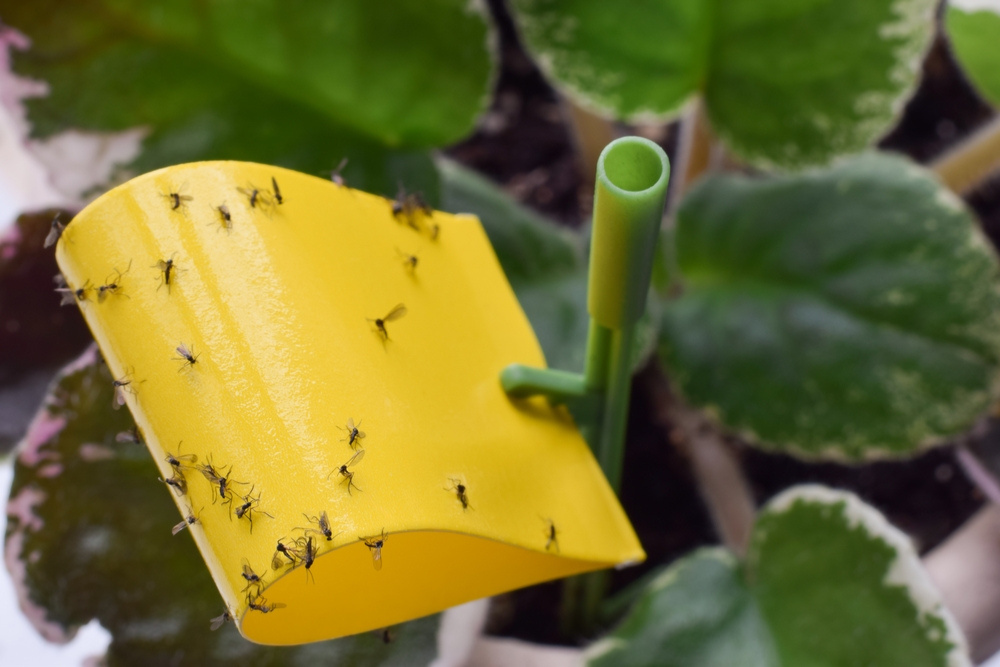
How to Get Rid of Fungus Gnats
Fungus gnats may be tiny, but once they start hovering around your houseplants, kitchen window, or living room lights, they can make your home feel…