
How to Safely Handle a Wasp Nest Near Your Home
September 22, 2025
Learning a wasp nest on your Wisconsin property can be worrying. Wasps are hostile when threatened, and their stings are not only painful but possibly unsafe especially for those with allergies. If you’ve spotted a nest, it’s vital to act fast and safely.
Before you grab a spray can or try a DIY removal, it’s worth understanding why wasps are tough to handle and why calling a Wisconsin stinging insect exterminator may be the safest, most effective solution.
Understanding Wasp Nests and Their Dangers
A wasp nest is a papery structure constructed from chewed wood fibers mixed with saliva. Inside, hundreds, even thousands of wasps may live, working collectively to defend their queen and expand the colony. Unlike bees, wasps can sting frequently, making their nests particularly risky when disturbed.
Why Immediate Removal Protects Your Family
Leaving a wasp nest untreated puts your family, pets, and guests at risk. Wisconsin summers are peak season for wasp activity, and as colonies grow, they become gradually aggressive. A single sting can cause severe reactions, including swelling, dizziness, or anaphylaxis. The longer a nest remains, the larger and more dangerous it grow into.
Key Reasons to Avoid DIY Wasp Nest Removal
- Wasps in Wisconsin are especially active in late summer and early fall.
- Unlike bees, wasps can sting several times.
- Nests can house hundreds of aggressive insects.
- DIY removal often leads to painful stings and failed efforts.
- Professional exterminators in Wisconsin use specialized tools and protective gear.
- Removing a nest early stops recurring infestations.
Why Professional Exterminators Are the Best Choice in Wisconsin
Attempting to remove a wasp nest yourself can be dangerous, and store-bought sprays only offer momentary relief. A Wisconsin stinging insect exterminator has the skill to remove the nest safely and guarantee wasps don’t return. Professional treatments are fast, effective, and designed to protect your home long-term whether you live in Eau Claire, Hobart, Somerset, or anywhere in Wisconsin.
FAQ About Wasp Nests in Wisconsin
How can I tell if I have a wasp nest?
Look for noticable wasp activity around eaves, trees, or sheds. You may spot a gray, papery structure attached to a siding.
When is the best time to remove a wasp nest in Wisconsin?
Evening is safest since wasps are less active, but professional removal is always the best decision regardless of the time of day.
Can wasps rebuild a nest after removal?
Yes, if the nest isn’t fully removed, surviving wasps may rebuild. Professionals use treatments that prevent regrowth.
Are wasp stings dangerous?
Yes. While some stings cause mild pain and swelling, others can trigger severe allergic reactions that require immediate medical care.
Take Back Your Wisconsin Yard Safely
Don’t wait until a wasp sting destroy your Wisconsin summer. A wasp nest is more than just a nuisance, it’s a real hazard to your family.
Call a trusted Wisconsin stinging insect exterminator today to eradicate the threat and protect your family. Fast, safe, and professional service is just a call away.
Recent Posts
 "]
"]
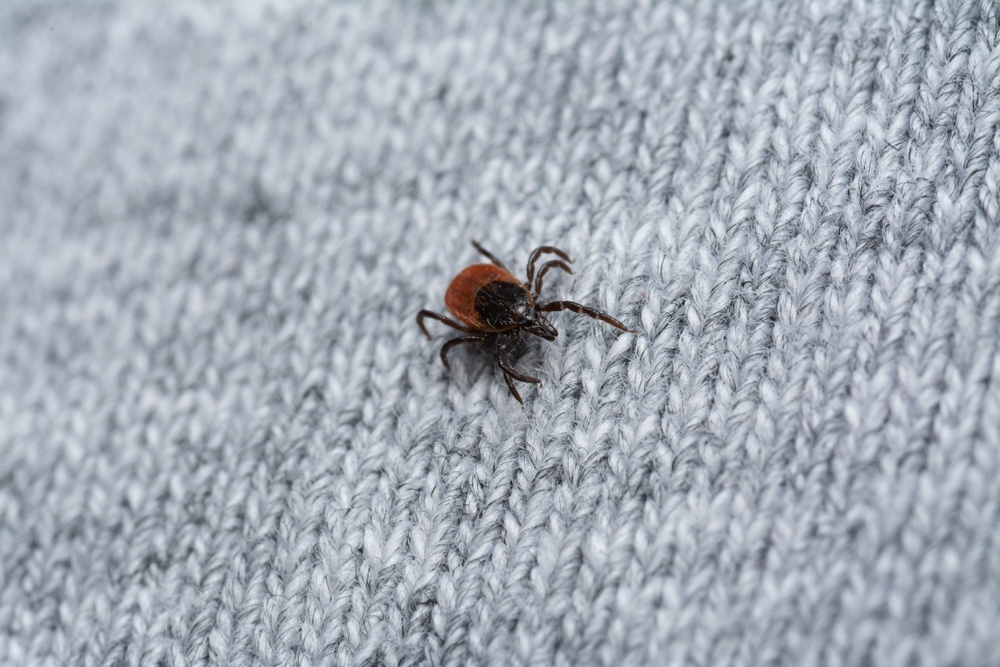
How to Keep Ticks Out of Your House | Wisconsin Homeowners Tip
You come inside after spending time outdoors and notice a tiny tick crawling on your shirt. While it may seem like a small problem, finding…
 "]
"]
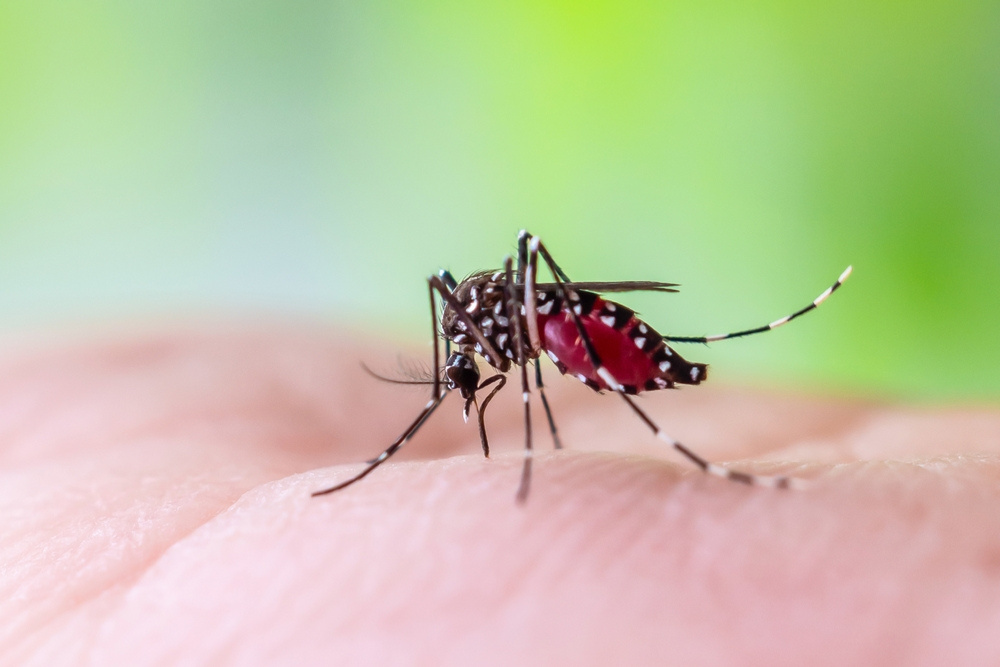
Are Mosquitoes Attracted to Light? Wisconsin Homeowners Guide
You’re enjoying a summer evening on the patio when suddenly the mosquitoes arrive. Many Wisconsin homeowners assume their porch light or outdoor lighting is attracting…
 "]
"]
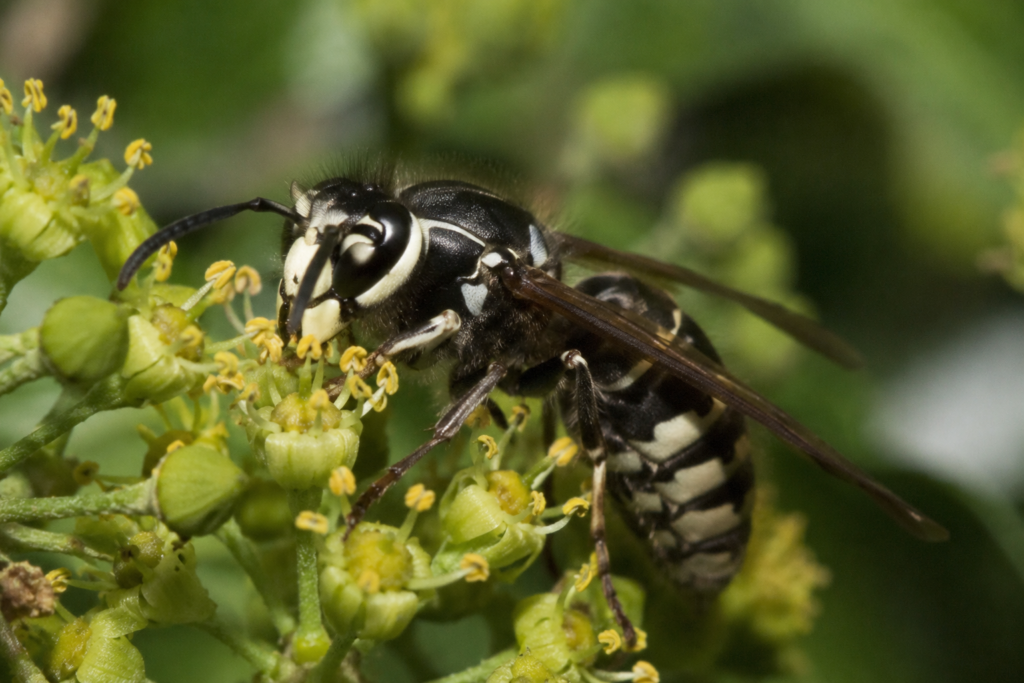
Are Bald Faced Hornets Aggressive? Wisconsin Homeowners Guide
Have You Noticed Large Black-and-White Hornets Around Your Property Lately? You spot a large black-and-white insect flying near your deck, garden, or front entryway. A…